By Michael Gwarisa
The world is changing rapidly, and so are disease patterns and the environments in which people live. Five years ago, the emergence of COVID-19 plunged the world into an unprecedented global health crisis, disrupting daily life and essential health services. While the origins of the virus remain under investigation, a 2024 World Health Organization Scientific Advisory Group for the Origins of Novel Pathogens (SAGO) study confirmed that animals were present at the Huanan Seafood Wholesale Market in Wuhan shortly before its closure, reinforcing concerns about the role of human and animal interactions in the emergence of new diseases.
Growing scientific evidence suggests that future pandemics are likely to emerge from the wildlife and human interface as industrial development and habitat encroachment intensify. A special report by Reuters has warned that bats could be a source of future pandemics, noting that increased human activity in wildlife habitats significantly heightens the risk of zoonotic spillovers.
In Zimbabwe, climate change is already reshaping infectious disease patterns. A 2025 review on climate change and malaria transmission in Africa links rising temperatures to malaria outbreaks in the Eastern Highlands, where Anopheles mosquitoes are now surviving at higher altitudes previously considered unsuitable for transmission. Regions once seen as low-risk are increasingly reporting cases, while recurrent outbreaks of environment- and climate-sensitive diseases such as anthrax, currently affecting communities in Gokwe, underscore a critical reality: human health, animal health, and the environment are deeply interconnected. This reality lies at the heart of the One Health approach and must inform how health stories are reported in Zimbabwe.
A One Health approach is an integrated, unifying framework that aims to sustainably balance and optimise the health of people, animals, and ecosystems. It recognises that the health of humans, domestic and wild animals, plants, and the wider environment, including ecosystems, are closely linked and interdependent.
Leading regional One Health expert and Director of the ISAAA Africa Centre, Dr Margaret Karembu, said it was time for the media to adopt a One Health approach to health and science reporting.
“If we do not show the interrelationships between these components, the four main components, animal health, human health, plant health, and non-living elements, it leaves the stories hanging,” said Dr Karembu.
She added that they have noted a gap in health science reporting, where stories tend to be incomplete when it comes to reporting on One Health issues.
“So the most important thing about writing stories about One Health, for you journalists, is to make sure that you create or direct audiences to understand how the environment and the animal world interact with one another to build a better planet and better health for all of us. When you leave the stories hanging, our communities do not get the proper awareness needed to practise the One Health approach.”
A One Health approach also encompasses a way of life in which everything one does must be undertaken consciously, recognising that every action interferes with or impacts, either positively or negatively, other parts of the environment. This includes living components, non-living components, and the social component, which remains one of the key elements of the environment.
“The media shape the narrative in terms of One Health and many other issues. You have an important role to play in ensuring that One Health reporting takes prominence in our media, on radio, television, print platforms, and even community reading stations, because we have seen the emergence of new diseases,” she added.
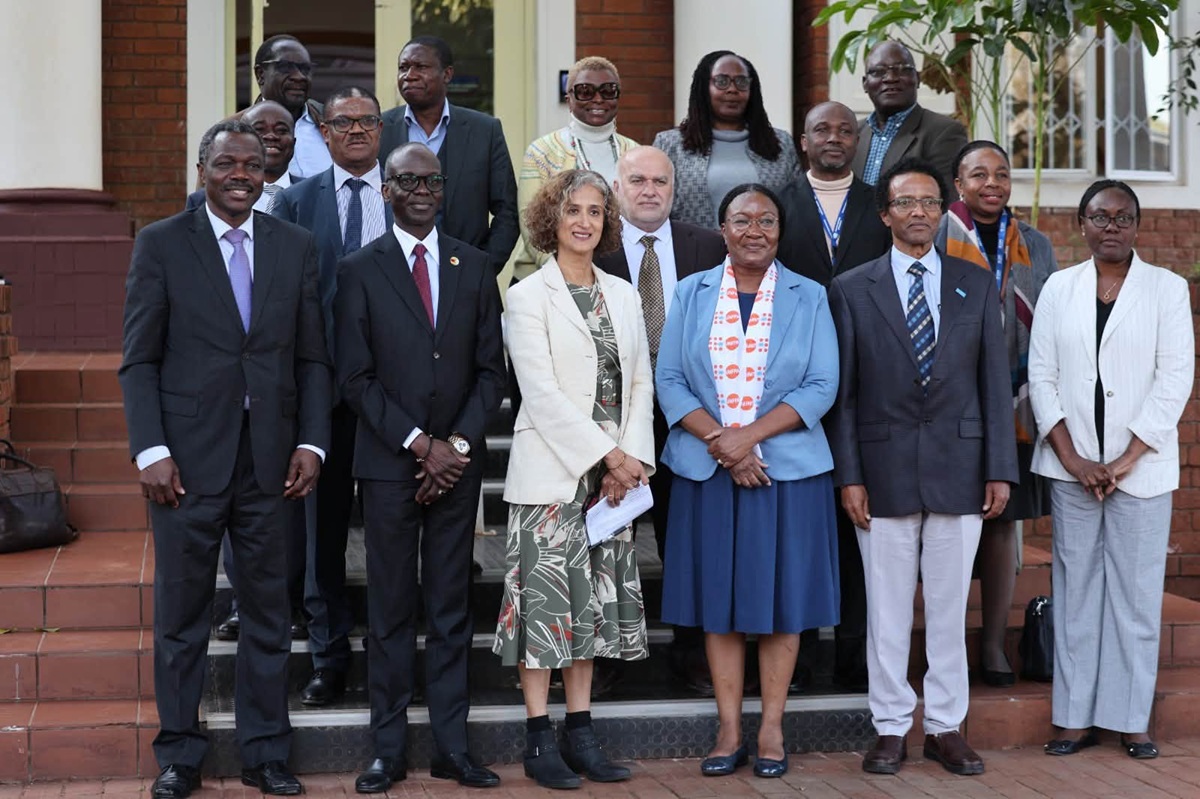
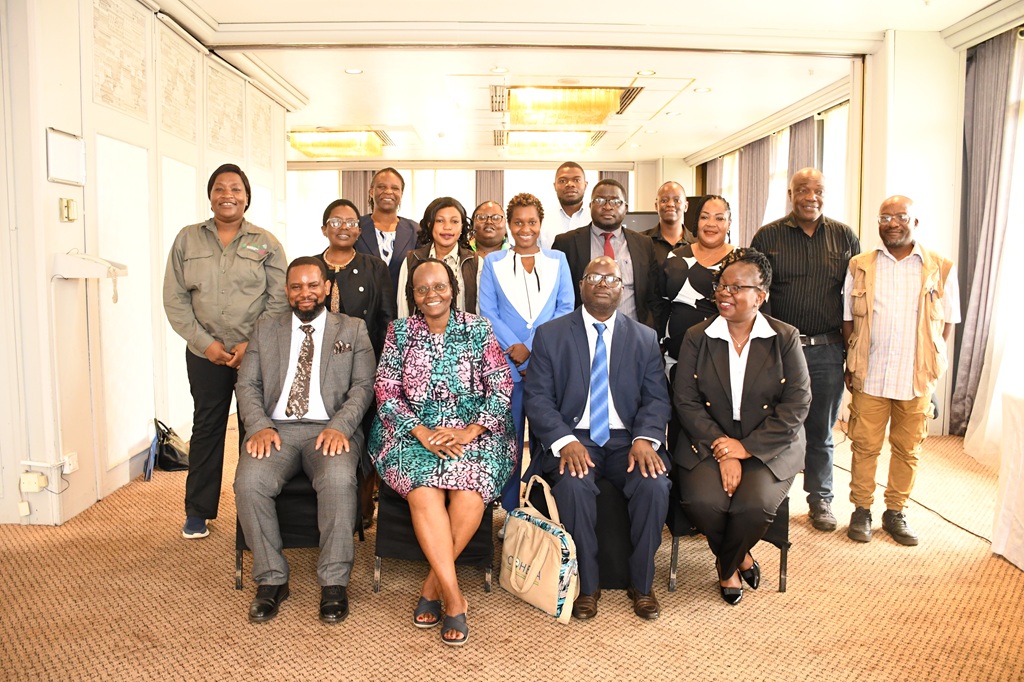
Meanwhile, in Zimbabwe, the University of Zimbabwe, working under the Capacitating One Health in Eastern and Southern Africa (COHESA) consortium, has commenced holding One Health Science–Media Cafés in a bid to capacitate health and science journalists to effectively report using the One Health lens.
Professor Gift Matope, a veterinary expert and senior lecturer in Veterinary Microbiology in the Department of Veterinary Pathobiology at the University of Zimbabwe, said the initiative was designed to strengthen collaboration between scientists and journalists.
“We have worked on establishing platforms for media café sessions, such as the session we are holding today. More importantly, we have also done extensive groundwork in developing a national strategy to address One Health issues,” said Professor Matope.
He added that One Health has also been incorporated into teacher training curricula in order to cascade the information to younger generations.
“Planning the next generation of One Health practitioners is one of our focus areas. We have recently been transforming our teacher education curriculum, which is used by teacher education colleges to train educators. In that transformed curriculum, we have included modules on One Health. We believe this will have far-reaching consequences, as it will cascade all the way down to early childhood development, primary, secondary, and tertiary institutions. This is a huge milestone for Zimbabwe in delivering One Health solutions.”
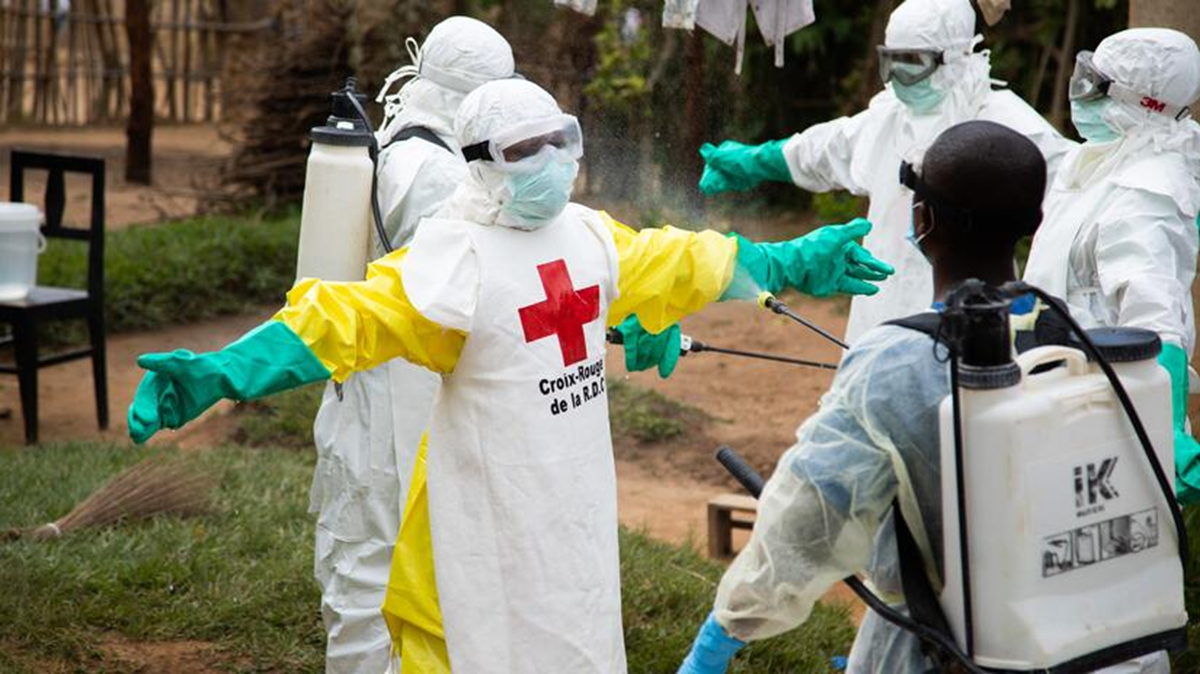
Zimbabwe has, in recent years, grappled with several complex health challenges that demand integrated surveillance and response systems, including zoonotic diseases such as anthrax and human African trypanosomiasis, commonly known as sleeping sickness.
As Zimbabwe confronts the growing pressures of climate change, emerging infectious diseases, and persistent zoonotic threats, the way health stories are told matters more than ever. Journalism that isolates human health from animal and environmental realities risks leaving the public with an incomplete understanding of the forces shaping disease outbreaks and health outcomes.